A hydraulic pump overhaul restores a worn or underperforming pump to original manufacturer specifications through complete teardown, inspection, replacement of out-of-spec parts, and final calibration on a test bench. Done correctly, it returns the pump to performance equivalent to new, at a fraction of the cost and lead time of a full replacement.
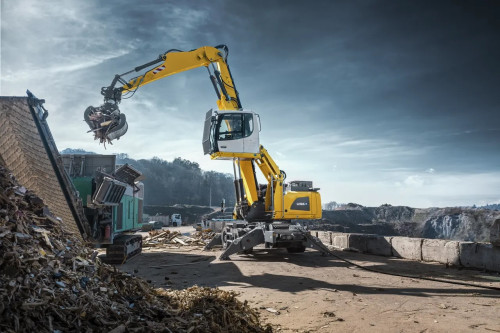
This is the practical alternative to scrapping a failing pump. On heavy material-handling machines like the Liebherr LH26, a roughly 26-tonne handler used in recycling, scrap processing, and port logistics, an unplanned pump failure means downtime, lost throughput, and added cost. A structured overhaul is how you avoid replacing the whole unit while still recovering full, reliable performance.
A proper overhaul is a structured process, not a parts swap. On the Liebherr LH26 pump, the work followed these stages:
The outcome: the pump was returned to operating condition equivalent to new, meeting the performance standards the machine requires.
Bench testing is the step that separates a verified overhaul from a hopeful one. Without it, you're returning a pump to service on the assumption it works.
On the test bench, the pump is run under varying operating conditions while critical parameters are measured: pressure, flow rate, and dynamic response. This validates the work before the pump goes back to the machine, and confirms it will perform reliably in the field rather than failing again under load.
For a buyer, the takeaway is simple: an overhaul without documented bench testing is incomplete. Always ask whether the final calibration is verified on a bench.
Replacement isn't always the right call. An overhaul is typically the better option when:
Replacement makes more sense when the housing is cracked, the unit is obsolete with no spares, or the cost of overhaul approaches that of new. A teardown and inspection is what tells you which case you're in, which is why the analysis stage comes first.
Replacing worn parts is only half the job. Overhaul quality depends on three things working together:
A correctly overhauled pump isn't simply repaired, it's ready to return to service with reliable, lasting performance. That distinction is what protects uptime on machines like the LH26 across recycling, earthmoving, and material-handling fleets.
Can a hydraulic pump be restored to original performance?
Yes. A full overhaul teardown, inspection, replacement of out-of-spec parts, and bench calibration, returns a pump to condition equivalent to new, provided the core housing is sound.
How do you verify a hydraulic pump works after overhaul?
By running it on a test bench under varying conditions and measuring pressure, flow rate, and dynamic response before the pump is returned to the machine.
Is overhauling cheaper than replacing a hydraulic pump?
In most cases, yes, especially when the housing is sound and only internal parts are worn, or when a new OEM unit has a long lead time. A teardown and inspection confirms whether overhaul is viable.
Vicolo del lavoro, 9 40069 Zola Predosa (BO) Italy
Phone : +39 051 755082 - Email : .(JavaScript must be enabled to view this email address)
C.F e P.IVA : IT 02423401203 - R.E.A. 438331
Share capital: €10.000,00 i.v.
Credits: Lincolnpixel Web Agency
© 2026 Hydrapac Italia, Inc. All rights reserved.